How AI agents and senior engineers build software faster without cutting corners
Inside Eaquirs Tech's delivery model: specialised AI agents handle the repetitive work while senior engineers own architecture, logic and every release.
Read articleUpwork shipped an MCP server so AI agents can read jobs, draft proposals and manage messages. What it does, what it doesn't, and how I use it on client work.
I've been on Upwork for a long time. Long enough to remember the Bidding Window — refresh, scan, write, submit, pray. The problem was never the writing. It was the twenty minutes of context-gathering before the writing, repeated for every job that even half-fit. So when Upwork rolled out their MCP server a few weeks ago, I didn't read the announcement with the usual "another AI feature" eye-roll. I actually sat up.
Here's what the Upwork MCP server really is, what it changes for a working freelancer, and the parts most people are getting wrong.
MCP — Model Context Protocol — is a standard that lets an AI model (Claude, GPT, Gemini, whatever you prefer) talk to an outside system through a documented set of tools. Instead of pasting a job post into ChatGPT and asking "write me a proposal", the model can now call Upwork directly: list my saved jobs, pull the full job post, read my profile, draft a proposal, send a message. The AI isn't guessing — it's working against the live platform.
Upwork is one of the first large freelancing platforms to publish one. That's the news.
I've been running it against my own account for about three weeks. The tools that matter day-to-day:
find_jobs — searches with real filters (budget, hourly, location, posted-within).get_profile — reads my profile, portfolio, categories.manage_proposals — drafts, previews and (after my approval) sends proposals.get_messages — pulls client threads so the AI has context before replying.list_contracts / list_milestones — current engagements.boost_profile — handles the paid visibility push when I want it.What this means in practice: Claude can look at a new job, cross-check it against my existing contracts to avoid conflicts, pull two relevant portfolio links from my profile, and draft a proposal that actually quotes the client's own language. All without me copy-pasting a single thing.
A lot of Twitter threads this week make it sound like you plug the MCP server in and leads start showering. That's not what's happening. The server does not:
So the win isn't magic conversion. The win is time.
Before MCP, a thoughtful proposal was ~22 minutes for me: 8 minutes reading, 6 researching the client, 8 writing. Twenty qualified jobs a week = 7+ hours just on proposals, before any actual client work.
With Claude + the Upwork MCP server, that drops to about 5 minutes of my time per proposal — mostly reviewing the draft, tweaking the hook, and clicking send. The AI handles the research and the first draft; I do the judgment and the voice.
That's roughly 6 hours a week back. For me, that's one extra discovery call booked, or a side project I was never going to find time for.
Here's the piece most freelancers miss: MCP isn't just for proposals.
Once a client is signed, the same MCP connection lets Claude read my current contracts, draft milestone updates based on real timesheet activity, pull message history before I reply so I don't repeat questions the client already answered, and summarise long threads before weekly check-ins. Half the "admin tax" of freelancing starts to shrink.
At Eaquirs Tech we're now building this same pattern into client projects — AI agents that connect to the tools our clients already use (Jira, HubSpot, QuickBooks, their own ERP) through MCP, instead of the brittle webhook-and-polling glue we used to write. It's the single biggest shift in how we architect integrations since I started.
If that's the direction you're taking your own product, we build custom AI agents and integrations — and I'm happy to walk you through how we'd wire it up on your stack.
Three honest steps:
Don't start with "write and send proposals autonomously". Start with research. The trust in the tool builds from there.
MCP servers for freelancing platforms aren't just a convenience feature. They're the first time the dominant freelance marketplace has treated AI agents as first-class clients of its own API. The next wave — Fiverr, Toptal, Contra — will have to follow or watch their power users migrate.
For independent operators, this is one of those rare moments where getting in early isn't hype. It's just arithmetic: six hours a week, every week, from month one.
If you're building a SaaS, a marketplace, or an internal tool and wondering how to let AI agents plug into it the way Upwork now lets them plug into theirs — that's exactly what we design.
Get a free written project plan and I'll show you where MCP fits in your stack, what it would cost, and what the first working demo would look like.
Answer three quick questions and we'll send you a written plan with scope, team, timeline and estimate.
Monthly note
What worked on real client projects, what didn't, and the numbers behind it. Short enough to read over coffee.

Inside Eaquirs Tech's delivery model: specialised AI agents handle the repetitive work while senior engineers own architecture, logic and every release.
Read article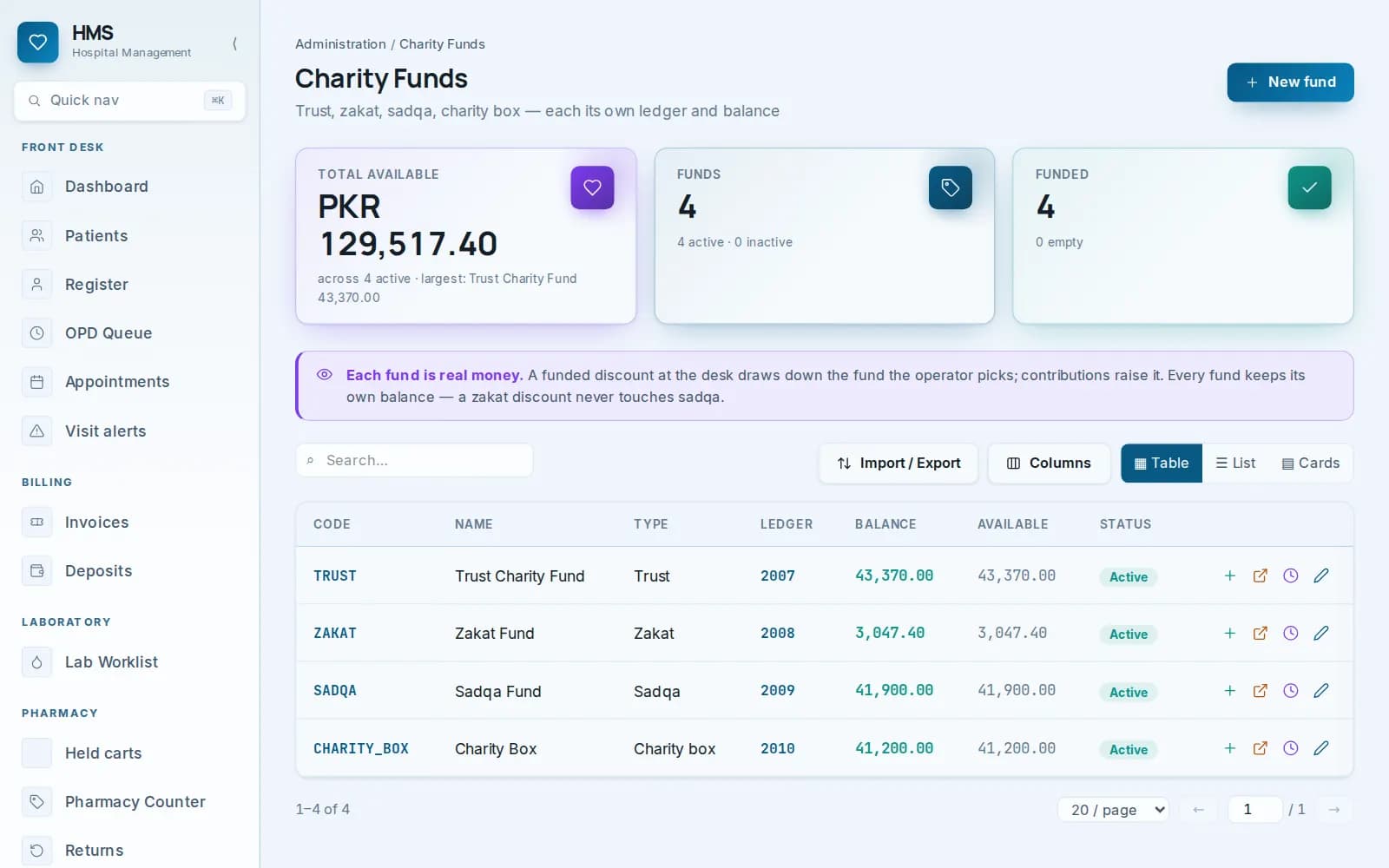
Zakat management software for trust hospitals in Pakistan: how EHMS keeps zakat, sadqa and charity money on separate ledgers, from a hospital in Chishtian.
Read article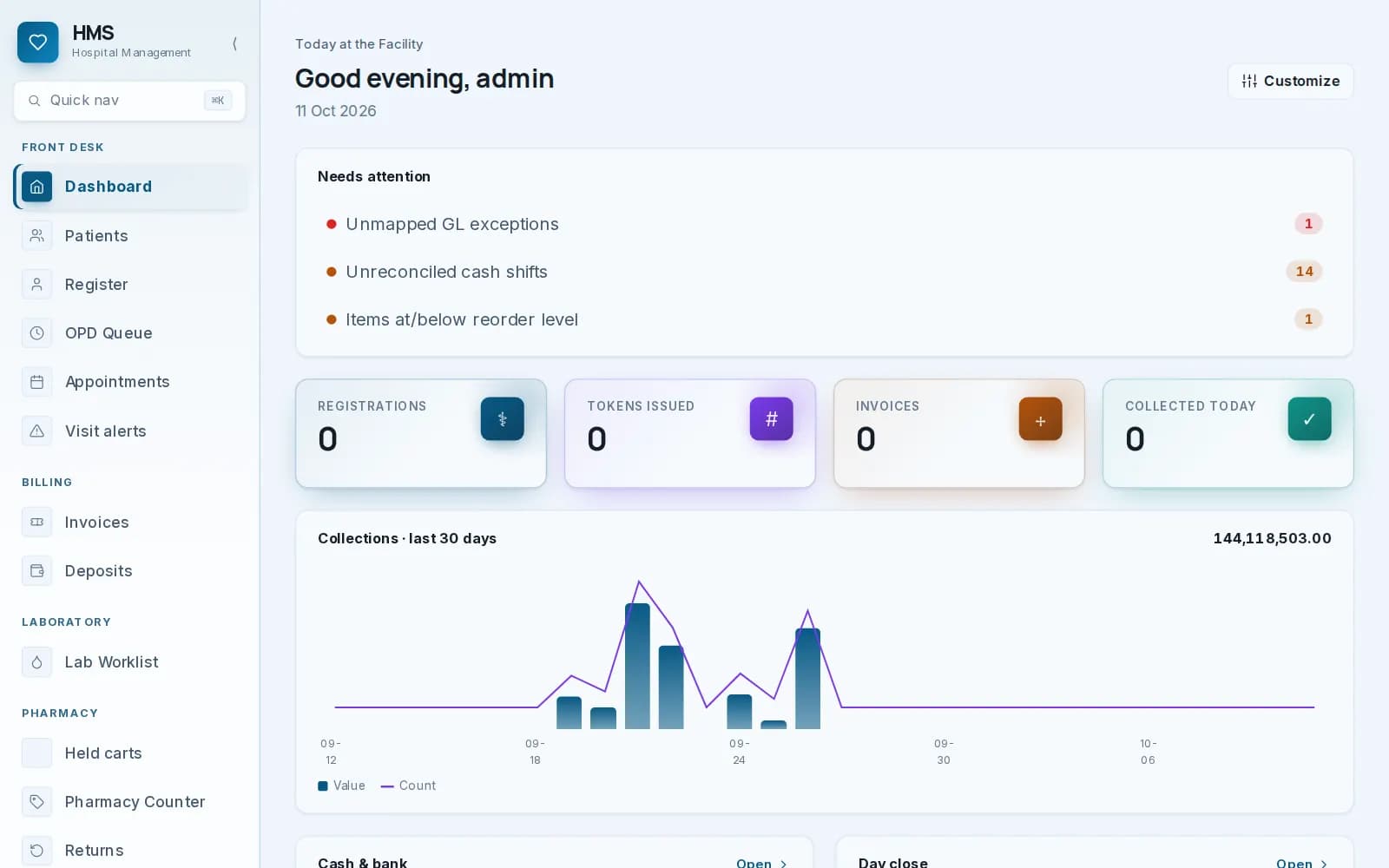
How we built hospital management software for a trust eye hospital in Chishtian, moved it to the web as EHMS, and why it beat SAP and Odoo for them.
Read article