Claude vs ChatGPT for developers: lessons from real ERP builds
Claude or ChatGPT? A working developer's comparison, including how we built X3 Retail ERP with parallel Claude Code agents that learn from their own mistakes.
Read articleAI agents, LLM integration and automation built for production: retrieval, assistants and multi-agent workflows connected to your real data and systems.
Every project we ship is built by a team of AI agents: one plans, one drafts the architecture, two write the backend and the interface, one tests and one deploys a preview. A senior engineer reviews the result and is the only one who can approve a release. So when we build agents for you, we are building the kind of system we depend on every day, and we know where they fail.
They fail quietly. An agent that is right nine times out of ten will sound just as sure the tenth time. That is why every agent we build has a narrow job, can only touch what the logged-in user is allowed to touch, logs what it did, and hands anything that moves money or changes records to a person first.
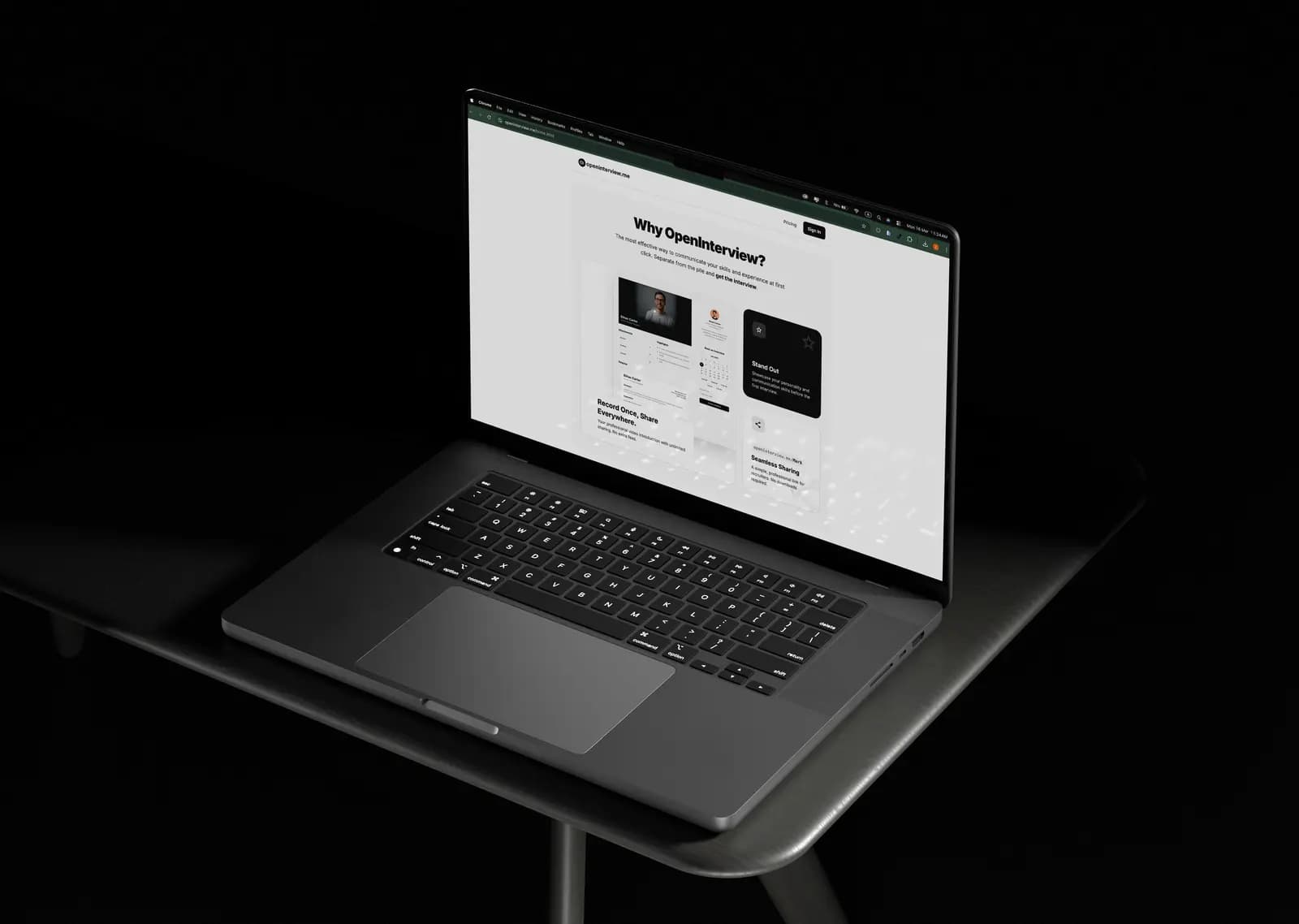
On OpenInterview.me, a US hiring platform, the AI part is a LangChain and OpenAI assistant that turns a candidate's resume into a profile they can share. It sits inside a production app with Stripe billing and scheduling, which is where most AI features should live: inside software people already use, not in a separate chat window.
Most companies don't need a new AI product. They need the ERP, CRM or SaaS they already run to do a little more of the routine work.
Three ways to make a model useful on your data. Most projects need the first two, very few need the third.
| Approach | Use it when | Trade-off |
|---|---|---|
| A well-written prompt | The task is general: summarise, classify, draft | Cheapest and fastest, but knows nothing about your data |
| Retrieval (RAG) | Answers must come from your documents or database | Needs clean, up-to-date data and a good search index |
| Fine-tuning | You need a fixed style or format at high volume | Costs more, and must be redone when your data changes |
The rules every AI feature we ship follows.
A typical range from our cost estimator. Adding AI to a system you already have usually costs less.
| Build | Typical range | Timeline |
|---|---|---|
| AI Chatbot | $12,000 to $19,500 | 6 to 9 weeks |
Yes. We integrate assistants, document processing and automation into the tools you already use, without replacing everything.
Every AI feature ships with guardrails and logging, plus human review where it matters. A senior engineer checks the output before it reaches your users.
A standalone AI assistant is typically $12,000 to $19,500. Adding one AI feature to a system you already run is usually less, and the written plan gives the exact figure.
OpenAI, Anthropic Claude and Google Gemini, chosen per task and kept behind one interface so the model can be changed later without rewriting the feature.
Only what a task needs. We send the minimum, use the providers' business terms that exclude your data from training, and keep logs on your own servers.
Answer three quick questions and we'll send a written plan covering scope, team, timeline and estimate.
Claude or ChatGPT? A working developer's comparison, including how we built X3 Retail ERP with parallel Claude Code agents that learn from their own mistakes.
Read articleUpwork shipped an MCP server so AI agents can read jobs, draft proposals and manage messages. What it does, what it doesn't, and how I use it on client work.
Read article
Looking for a software house in Bahawalpur? What local teams build, eight questions to ask before you hire one, red flags, and what we've built from Bahawalpur.
Read article