Claude vs ChatGPT for developers: lessons from real ERP builds
Claude or ChatGPT? A working developer's comparison, including how we built X3 Retail ERP with parallel Claude Code agents that learn from their own mistakes.
Read articleAbandoned vendors, vibe-coded prototypes and legacy systems past their limit. We take these over, get them stable first and modernise from there.
Rashid Kadura hired us to add a payment gateway to Beyut Libya, his property marketplace. Before writing a line of it, we read the code several earlier teams had left behind. The app and website weren't properly connected to the API, the server was one machine updated by hand, and the code was too tangled to grow. Adding payments on top would have meant decorating a building with a cracked foundation. We told him that first, on a call, in his own code. Then we rebuilt the platform without losing a single listing, and only then connected the payments.
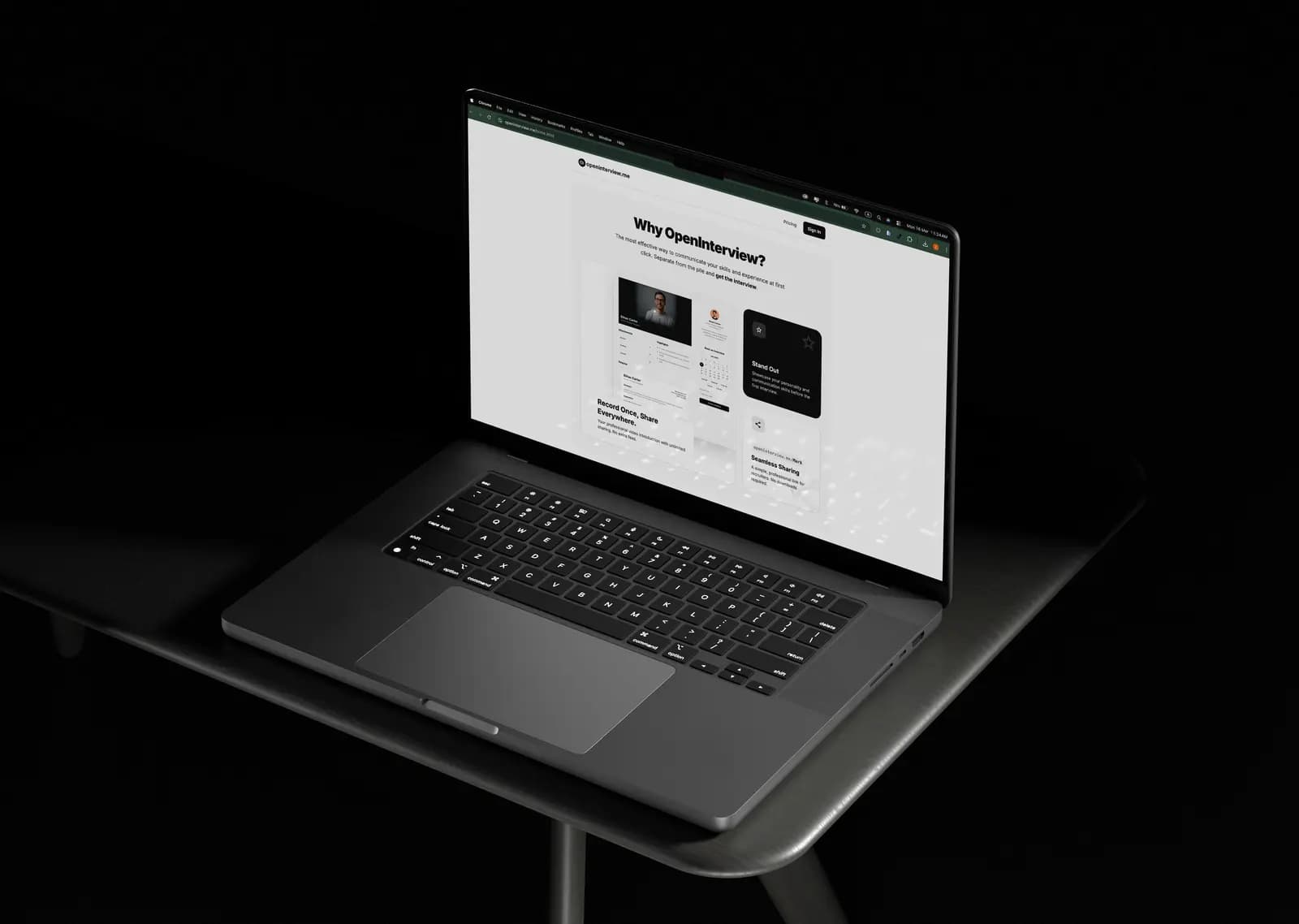
That order, read first, stabilise second, build third, is the whole method. The Gman tailoring ERP came to us as a PHP and Vue app nobody could maintain; after the rebuild it responds about 70% faster, and the client changes business settings without calling a developer. OpenInterview.me arrived as a prototype that couldn't safely take a payment; it now runs Stripe billing in production. And when a hospital's vendor stopped answering, we replaced the system in six weeks without the hospital closing for a day.
Nobody calls us when things are going well. That is fine. Rescue work is a large part of what we do, and the first thing we give you is a straight answer about what you have.
Tools like Lovable, Bolt, Replit and Cursor can produce an app that demos well in a weekend. The trouble starts with real users and real money. These are the problems we check for first.
Most of these apps don't need to be thrown away. They need the foundations a prototype skips.
The same five steps, whether the code came from an agency, a freelancer or an AI tool.
The question every rescue comes down to. These signs usually decide it.
| What we find | Usually means |
|---|---|
| The core data model is sound, the code around it is messy | Fix and refactor in place |
| Each fix breaks something unrelated | Rebuild the worst parts first, keep the rest |
| The framework or language is no longer supported | Planned rewrite, moved over module by module |
| Nobody can deploy it safely | Fix deployment first, then decide on the code |


Yes. We have turned unstable prototypes into dependable payment platforms and replaced a hospital's system after its vendor would neither update it nor fix its issues. We assess first, stabilise, then build.
We plan the switch around how people actually work, move and check the live data ourselves, and stay on site when it goes live. At the trust hospital in Chishtian we moved the data and the staff onto the new system in person, and the hospital did not close for a single day.
Yes. The method is the same as for any inherited code: get access, audit, secure the data and payments, then decide part by part what to keep. Many of these apps need their foundations fixed, not a full rebuild.
Getting access back comes first: the code repository, servers, domain, app store and payment accounts. The written audit lists anything missing and the safest way to recover it.
It starts with a written audit, so the price of the work is based on what is actually there instead of a guess. After the audit you get a plan with options to fix, rebuild or mix the two.
Answer three quick questions and we'll send a written plan covering scope, team, timeline and estimate.

Claude or ChatGPT? A working developer's comparison, including how we built X3 Retail ERP with parallel Claude Code agents that learn from their own mistakes.
Read article
AI-native software development, from real projects: specialised AI agents write the repetitive code, and senior engineers own architecture and every release.
Read article
Fix one bug in your Lovable or Replit app and ten more appear? Why the vibe coding doom loop happens, the prompts that prevent it, and when to call an engineer.
Read article