

Claude vs ChatGPT for developers: lessons from real ERP builds
Claude or ChatGPT? A working developer's comparison, including how we built X3 Retail ERP with parallel Claude Code agents that learn from their own mistakes.
Read articleMulti-tenant SaaS built by AI agents and checked by senior engineers: tenant isolation, roles, Stripe billing and an admin panel. A SaaS MVP starts at $12,500.
Turner 10 began in 2016 as software for a single housing scheme in Bahawalpur. Today one codebase runs 17 projects, and each project is its own workspace with its own users, accounts and settings. Nobody called it SaaS at the start. That is what it became, and it showed us where multi-tenant products really break.
It is rarely the screens. It is the query that forgets the tenant filter, the report that adds two clients' money together, the background job that sends one customer's reminder to another customer's list. So the tenant is checked on the server on every request, never taken on trust from the browser, and cross-tenant reads are tested on purpose before anything ships.
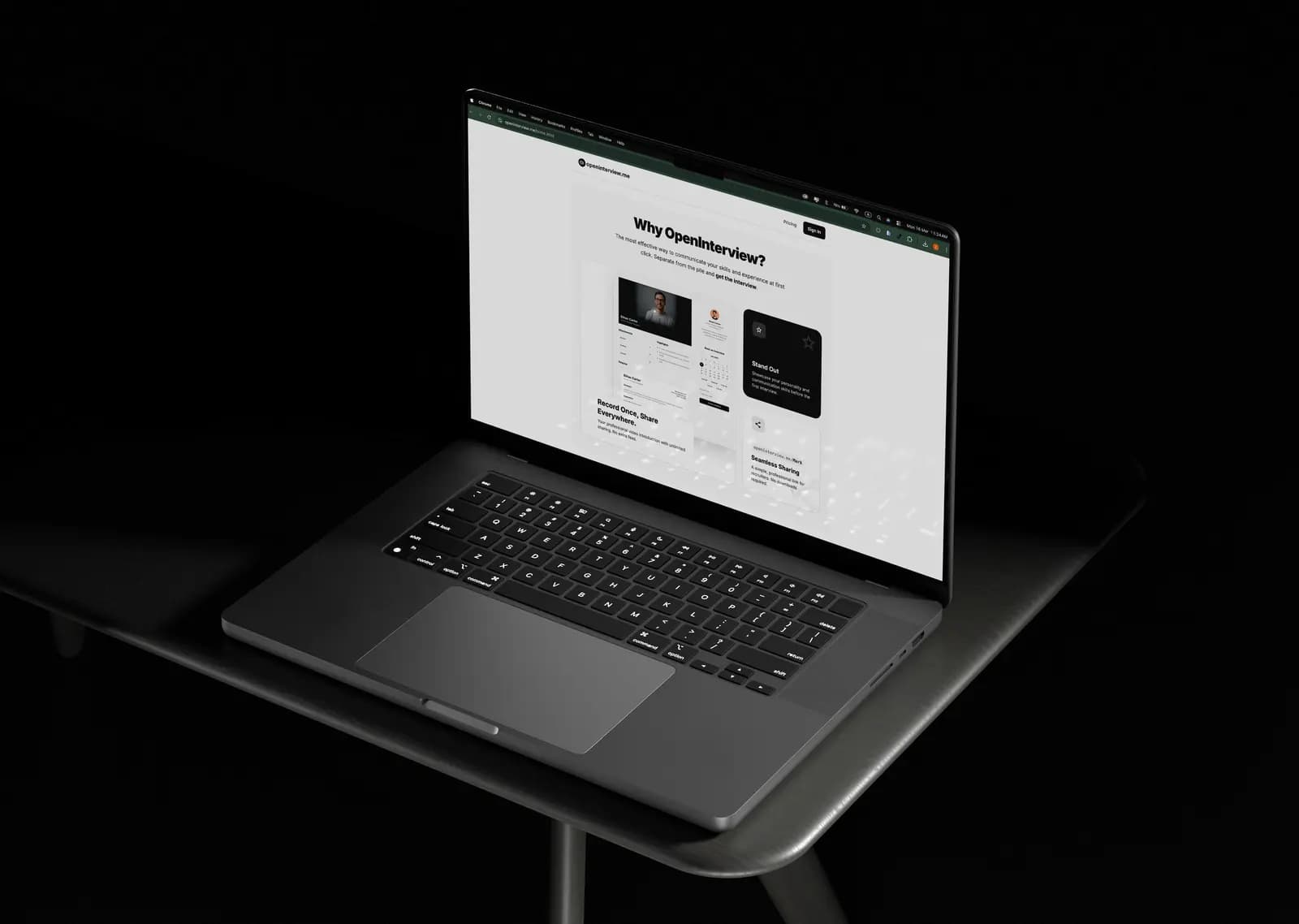
Billing is the other place SaaS products leak. On OpenInterview.me, a US hiring platform we took from a fragile prototype to production, the Stripe flow is idempotent: if a customer double-clicks or Stripe sends the same webhook twice, the payment is still recorded once.
The first architecture question on every SaaS. There is no single right answer, only a right answer for your customers and your contracts.
| Approach | Good for | Watch out for |
|---|---|---|
| Shared tables with a tenant ID | Most B2B SaaS. Cheapest to run, one migration updates everyone | Every query must carry the tenant. We enforce it in the data layer and with PostgreSQL row-level security |
| A schema per tenant | Customers who want their data kept apart without paying for a separate server | Migrations run once per tenant, so they need tooling from day one |
| A database per tenant | Hospitals, finance and contracts that require it | The highest running cost, and onboarding has to be automated |
Turner 10 keeps each project in its own workspace and re-checks access on every server call.
Typical ranges from our cost estimator, with AI agents doing the repetitive work and senior engineers reviewing every change.
| Build | Typical range | Timeline |
|---|---|---|
| SaaS MVP | $12,500 to $20,500 | 6 to 9 weeks |
| Custom CRM | $12,500 to $20,500 | 6 to 9 weeks |
| Marketplace App | $19,500 to $31,500 | 8 to 11 weeks |
The exact figure comes in a written plan after a call. The plan is yours to keep whether or not you build with us.
How a SaaS build usually runs with us.
Usually 6 to 9 weeks. The first week goes on deciding the one workflow customers will pay for, and from then on you see working software every week.
Most B2B products should start multi-tenant on shared tables with strict isolation, because it is cheaper to run and update. If a customer contract requires separate data, we move that customer to its own schema or database without rewriting the product.
Yes. OpenInterview.me came to us as an unstable prototype that could not safely take payments. We rebuilt it into a production platform with Stripe billing, social login and an AI assistant.
Yes. Turner 10 runs in English, Urdu and Arabic on every screen, with right-to-left layouts designed properly instead of flipped.
Yes. The code, the data and the cloud accounts are yours from the first commit.
Answer three quick questions and we'll send a written plan covering scope, team, timeline and estimate.
Claude or ChatGPT? A working developer's comparison, including how we built X3 Retail ERP with parallel Claude Code agents that learn from their own mistakes.
Read article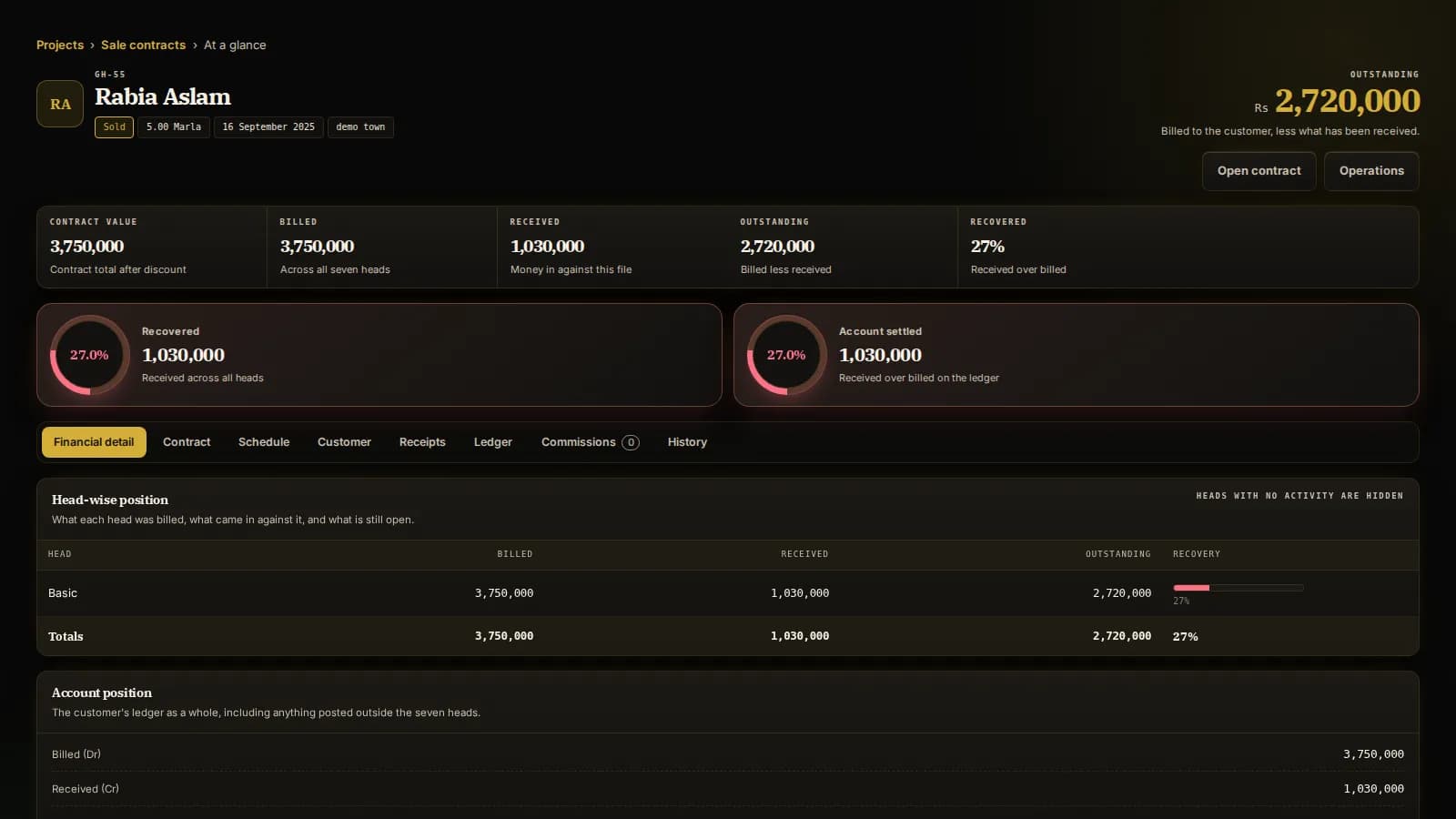
Looking for a software house in Bahawalpur? What local teams build, eight questions to ask before you hire one, red flags, and what we've built from Bahawalpur.
Read article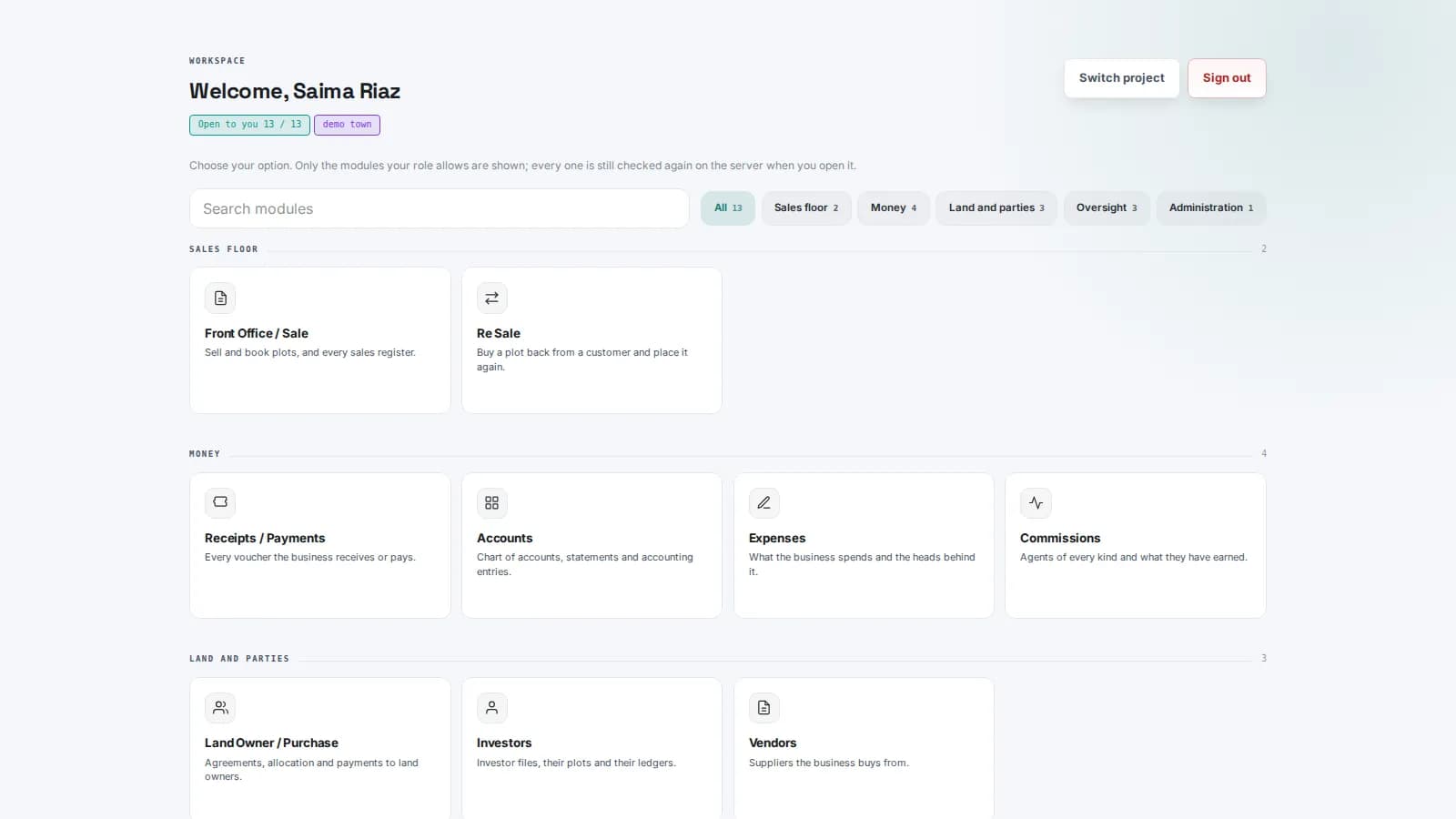
How to build a multi-tenant SaaS: shared tables or schema per tenant, row-level security, tenant-aware jobs and billing, from a codebase serving 17 projects.
Read article