Flutter vs React Native in 2026: Which to Choose for a Business App
Flutter or React Native for a business app? A practical comparison of cost, UI, hiring, web reuse and Arabic support, with a guide from a team using both.
Read articleWhat a Flutter app costs in 2026: real ranges, the backend nobody budgets for, store fees, in-app purchase commissions and running costs, from a real rebuild.
The app is the part you can hold in your hand, so it's the part people budget for. The money usually goes somewhere else.
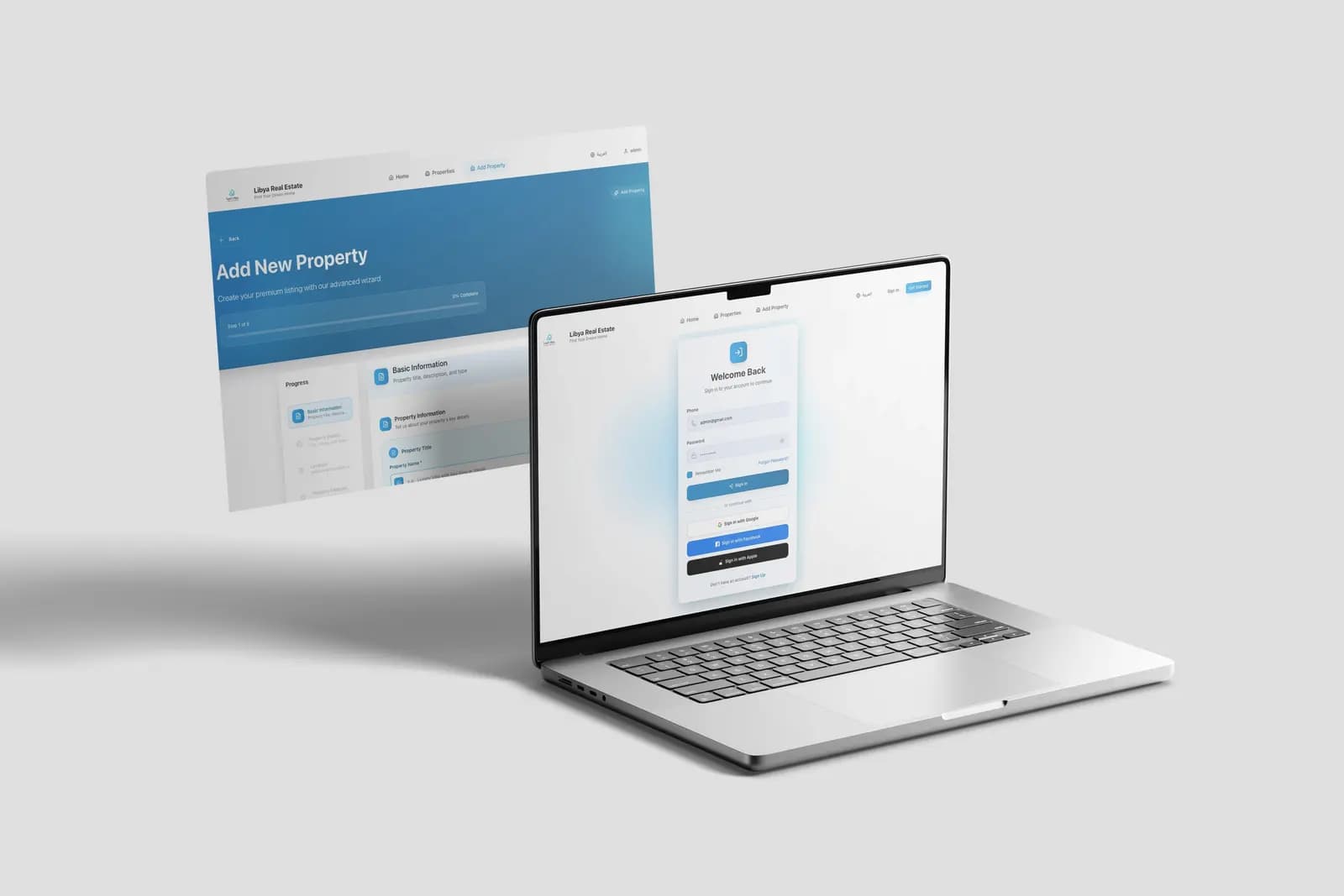
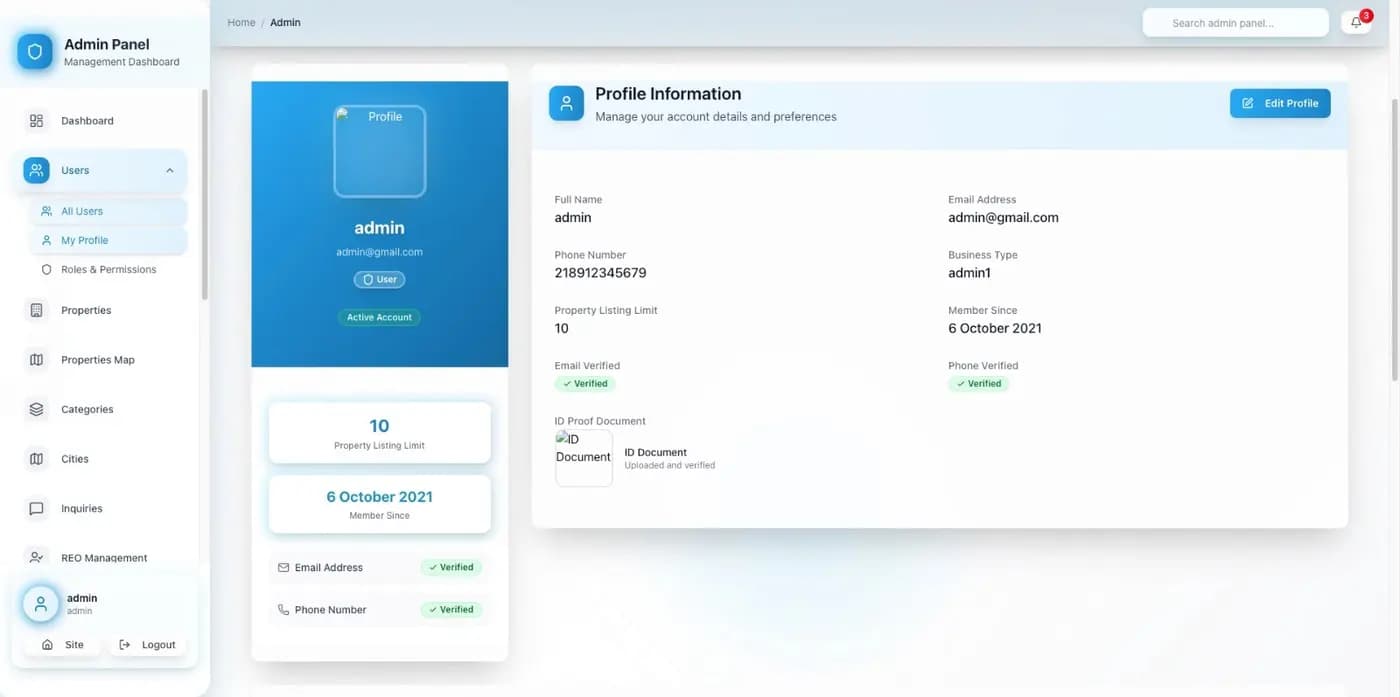
When we rebuilt the Beyut Libya app in Flutter, the screens were the visible half. Behind them sat an API, a database, an admin panel the client's team runs every day, push notifications, messaging between buyers and agents, map search, and in-app purchases through Google Play and the App Store, which is how the marketplace earns. The app has since passed 10,000 Android downloads. Most of the cost lived in the half nobody sees.
So here is what a Flutter app costs in 2026, and where that money actually goes.
From our cost estimator, which every price on our site comes from:
| What you're building | Typical range | Timeline |
|---|---|---|
| A mobile app with backend and admin panel | $13,000 to $21,000 | 6 to 9 weeks |
| A two-sided marketplace app, buyers and sellers | $19,500 to $31,500 | 8 to 11 weeks |
Those include the backend and the admin panel. A quote that covers "the app" only is not cheaper, it's incomplete. Ask what's behind the screens before you compare numbers.
Flutter lets one codebase run on iOS and Android. Instead of a Swift team and a Kotlin team building the same screens twice, one team builds them once.
That doesn't halve the price, because a lot of the work was never per-platform: the backend, the admin panel, the database, the business rules. But the interface, which is a big share of any app, gets built and tested once. For most business apps, that's the difference between one budget and nearly two.
Flutter isn't the only way to do this. React Native shares code the same way, and is the better choice if your team already writes React for a website. We build in both, and the written plan recommends one for your app and your team, not out of habit. There's a side-by-side on our Flutter app development page.
Every useful app talks to a server. Accounts, listings, orders, messages and payments live there, and someone needs to manage them. On Beyut Libya that meant a NestJS API, a MySQL database, image storage, background jobs, monitoring and an admin panel. None of it shows up in a screenshot. All of it is in the price.
If you already have a backend, say a web platform the app should connect to, the app costs less. If you're starting from nothing, budget for both.
Selling digital things inside an app, a subscription, a premium feature, a listing slot, usually has to go through Apple's and Google's billing. Beyut Libya's sellers buy yearly listing slots this way. The build work is the purchase flow plus checking receipts on your own server, so nobody gets a slot they didn't pay for.
The part founders miss is the commission. Apple and Google take a cut of in-app sales, typically 15% for smaller developers and many subscriptions, and up to 30% otherwise. Check the current terms for your case, and put the commission in your pricing model, not just your build budget.
Physical goods and services, like a taxi ride or a delivered order, normally use a regular payment provider instead, with its own fees.
Some features look small on a wireframe and aren't:
Apple and Google both review apps before they go live, and their rules change. Rejections usually come from things like a missing account-deletion option, unclear privacy labels, or digital purchases that bypass their billing. Each round costs a few days. Build store review into the timeline, not the last day of it.
The build is a one-off. These aren't:
A common rule of thumb is to set aside 15 to 20% of the build cost per year for support and improvements. It's a starting point for a budget, not a quote.
That's how Beyut Libya started. The client hired us to add a payment gateway to his marketplace. Before writing it, we read the code several earlier teams had left. The website and app weren't properly connected to the API, and the server was one machine updated by hand. We rebuilt the web platform first, then the client asked us to audit the app. It had the same problems, and patching it would have cost more than starting clean, so we rebuilt it in Flutter.
That's not always the answer. Many apps need fixing, not rebuilding. A takeover starts with access to the store accounts, code and servers, then a written audit, and only then a price for the work, because nobody can price a rescue honestly without reading the code first. If your app was generated with an AI tool, I've written about what to check before launching it.
One practical point: when we release a fixed or rebuilt version, it goes out under your existing store listing, so users update the app they already have and your ratings and downloads stay.
For the framework decision, see Flutter vs React Native. If the app serves several customers, multi-tenant SaaS architecture lists the decisions that are expensive to change later, and how we rescued the Beyut Libya app shows what a broken app costs to fix.
How much does a Flutter app cost in 2026? A typical app with its backend and admin panel is $13,000 to $21,000 over six to nine weeks; a two-sided marketplace app $19,500 to $31,500 over eight to eleven weeks. Use the cost estimator for a range for your own features.
Is Flutter cheaper than native development? Usually, because the interface is built once for iOS and Android instead of twice. The backend and admin costs are the same either way.
How long does it take to build a Flutter app? Six to eleven weeks for the apps above with AI-assisted delivery, with a working build to try every week, plus time for store review.
What does it cost to publish on the App Store and Google Play? Apple's developer programme is $99 a year and Google Play is a one-time $25. Both stores also take a commission on in-app purchases of digital goods.
Can you take over our existing Flutter app? Yes. We start with a written audit and access to the code and store accounts, stabilise what's there, then decide with you whether to fix or rebuild.
If you're planning an app or stuck with one, get a free project plan. We'll tell you what it should cost before anyone writes code.
Answer three quick questions and we'll send you a written plan with scope, team, timeline and estimate.
Monthly note
What worked on real client projects, what didn't, and the numbers behind it. Short enough to read over coffee.
Flutter or React Native for a business app? A practical comparison of cost, UI, hiring, web reuse and Arabic support, with a guide from a team using both.
Read articleA real estate marketplace in Libya came to us for one payment integration. The code audit showed it needed rescuing first. Here's how we rebuilt it without losing data.
Read article
Fix one bug in your Lovable or Replit app and ten more appear? Why the vibe coding doom loop happens, the prompts that prevent it, and when to call an engineer.
Read article