Hospital Management System Price in Pakistan: What You Actually Pay For
Hospital management system price in Pakistan: EHMS from PKR 150,000 for a basic setup, what a custom build costs, why a full hospital ERP costs far more.
Read articleWhat an MVP costs in 2026: real ranges for SaaS, mobile, marketplace and store MVPs, what to cut from version one, and the foundations you should never skip.
The most expensive MVP is the one that takes six months.
Not because six months of engineering costs a lot, though it does. Because for six months nobody outside the team uses it. Every feature in it is a guess, and by the time real customers arrive, the money that should have paid for learning from them has been spent building things they didn't ask for.
So this article is about two numbers: what an MVP costs, and how small it should be. They're the same question.
From our cost estimator, which every price on our site comes from:
| First version of… | Typical range | Timeline |
|---|---|---|
| An e-commerce store | $12,500 to $20,000 | 6 to 9 weeks |
| A SaaS product | $12,500 to $20,500 | 6 to 9 weeks |
| A mobile app with backend and admin | $13,000 to $21,000 | 6 to 9 weeks |
| A learning platform | $14,500 to $23,500 | 6 to 9 weeks |
| A two-sided marketplace | $19,500 to $31,500 | 8 to 11 weeks |
Each includes an admin panel so you can run the product without us, and user accounts, because almost every product needs them. The marketplace costs more for a simple reason: it has two kinds of user, buyers and sellers, and each needs its own side of the app.
We estimate the hours a traditional team would need, including design, testing and project management. We take off 35%, because a team of AI agents does the repetitive part of the work: forms, lists, API endpoints, tests, documentation. Then we price the rest at a blended $25 to $35 an hour. A senior engineer owns the architecture and reviews every release. I've written about how that process works.
The 35% is real on an MVP, because an MVP is mostly the repetitive parts. It doesn't apply to the hard part, which is deciding what goes in.
Here's the test we use in the first week: what will a customer use, or pay for, in week one? That's the MVP. Everything else is a list for later.
For most products, that comes down to four things:
That's usually enough to learn whether the idea works. It's also, conveniently, what fits in six to nine weeks.
These are the things founders most often ask for in an MVP, and the version we usually suggest instead.
| Often asked for | What to do instead |
|---|---|
| A web app and a mobile app | Start with the one your first customers will actually open |
| Every type of user and role | Build for the user who pays; add the others when they show up |
| Custom reports and dashboards | Export to CSV; build dashboards once you know which numbers matter |
| Integrations with every tool | Connect the one system the workflow can't run without |
| A recommendation engine or AI everywhere | One AI feature that does a real job, if any |
| Polished animations and onboarding tours | Clean, fast screens; delight comes after people stay |
None of these are bad ideas. They're version-two ideas. Each one you move out of the MVP saves build time, and brings the day real users tell you what's missing a little closer.
There's a cheap way to build an MVP that becomes very expensive later, and we've cleaned up enough of them to know.
The data model. How customers, orders, accounts and companies relate to each other. If an MVP works, it becomes the product, and changing the data model under paying users means migrating real data, which is the most expensive kind of rework there is.
Security on the server. Permissions checked on the server for every request, no secret keys in the browser, strict database access. A prototype that skips these is a data leak waiting for its first curious user. If your first version was generated with an AI tool, read what to check before launching it.
Payments done properly. If you take money, take it once. OpenInterview.me came to us as a prototype that couldn't safely take payments; the fix was an idempotent Stripe flow that records each payment exactly once, even when a customer double-clicks.
Deployment and backups. The product should deploy from a repository you own to a cloud account you own, with backups you've seen restored. That costs very little on day one and is miserable to add after an outage.
Cut features freely. Don't cut foundations.
For an MVP with a clear scope, a fixed price works well, and it's what we usually suggest for a first version. It forces the hard conversation about what's in and what's out before work starts, which is exactly the conversation an MVP needs.
Where scope is still moving, a monthly team or hourly work fits better, because you'll want to change direction as you learn. The written plan we send after a first call says which we'd recommend and why.
How much does an MVP cost in 2026? For the products above, typically $12,500 to $31,500 over six to eleven weeks with AI-assisted delivery. A single-sided SaaS or store sits at the lower end, a two-sided marketplace at the upper end.
How long does it take to build an MVP? Six to nine weeks for most first versions, eight to eleven for a marketplace, with a working demo every week so you can steer it.
Should my MVP be a web app or a mobile app? Whichever your first customers will open. Business tools usually start on the web; consumer products people use on the go often start on mobile. With Flutter or React Native, one mobile codebase covers both iOS and Android.
Will the MVP have to be rebuilt later? It shouldn't, if the foundations are right. Keep the scope small, but build the data model, security, payments and deployment properly from the start.
Who owns the code? You should, from the first commit, in your own repository and cloud account. If a quote doesn't say so, ask.
If you have an idea and want to know what its smallest useful version costs, get a free project plan. We'll help you cut it down before we price it.
Answer three quick questions and we'll send you a written plan with scope, team, timeline and estimate.
Monthly note
What worked on real client projects, what didn't, and the numbers behind it. Short enough to read over coffee.
Hospital management system price in Pakistan: EHMS from PKR 150,000 for a basic setup, what a custom build costs, why a full hospital ERP costs far more.
Read article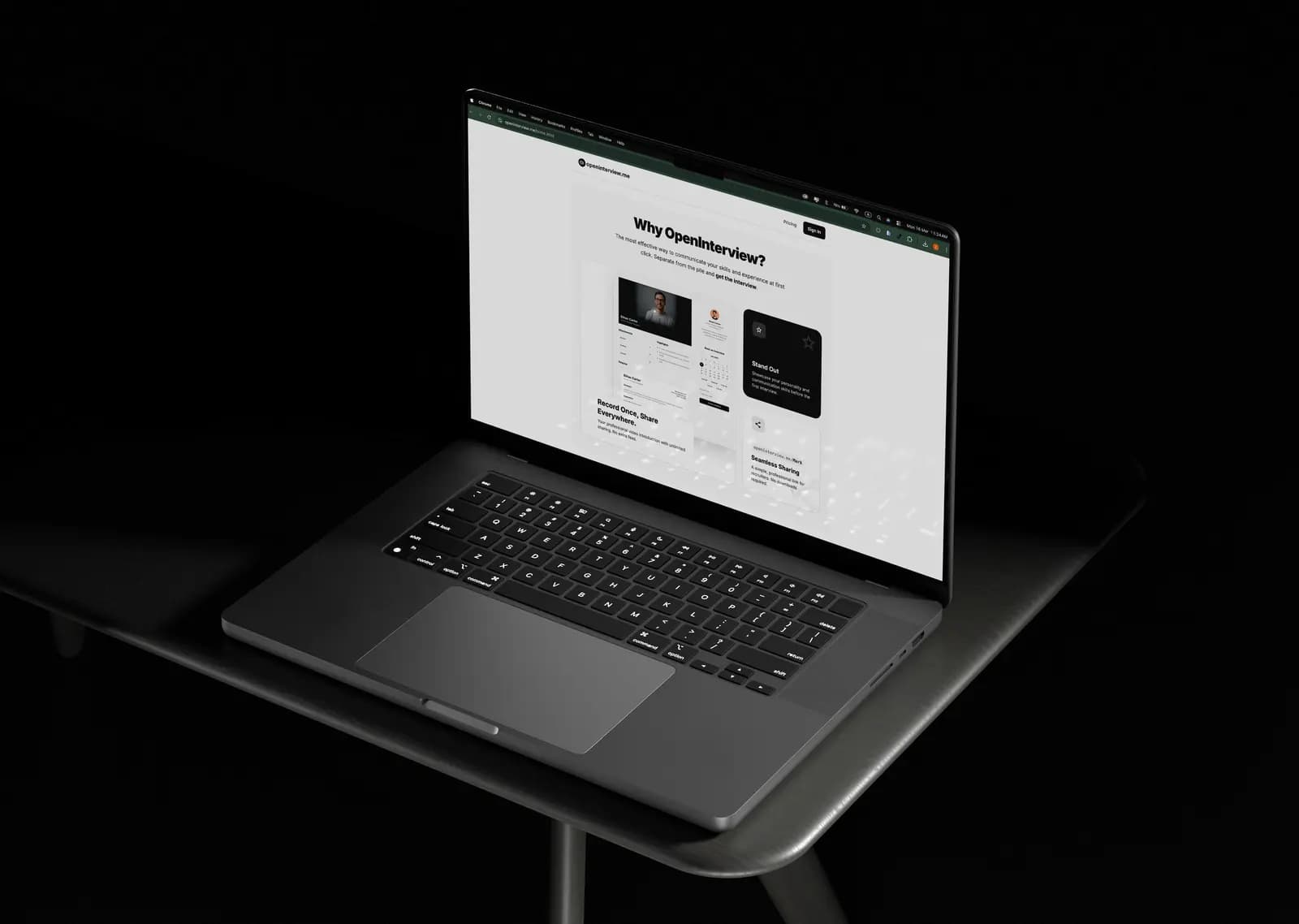
What an AI agent costs to build and run in 2026: real ranges, what drives the price, how to estimate token costs, and when adding AI to your system is cheaper.
Read article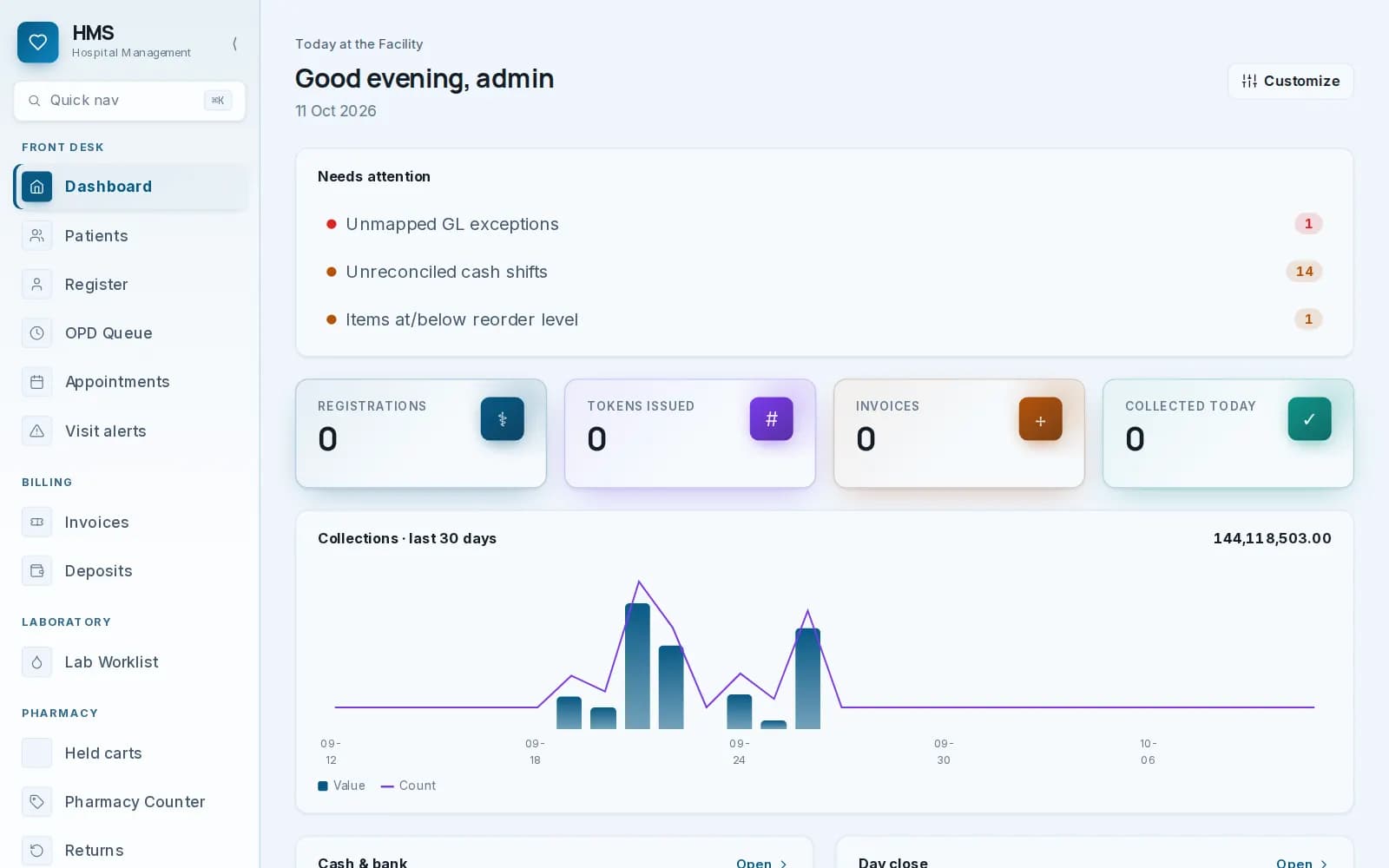
What custom ERP development costs in 2026: real ranges from hospital, real estate and jewellery ERPs we built, what drives the price, and when Odoo wins.
Read article